


Climbing Kilimanjaro (Tanzania) – June 2017
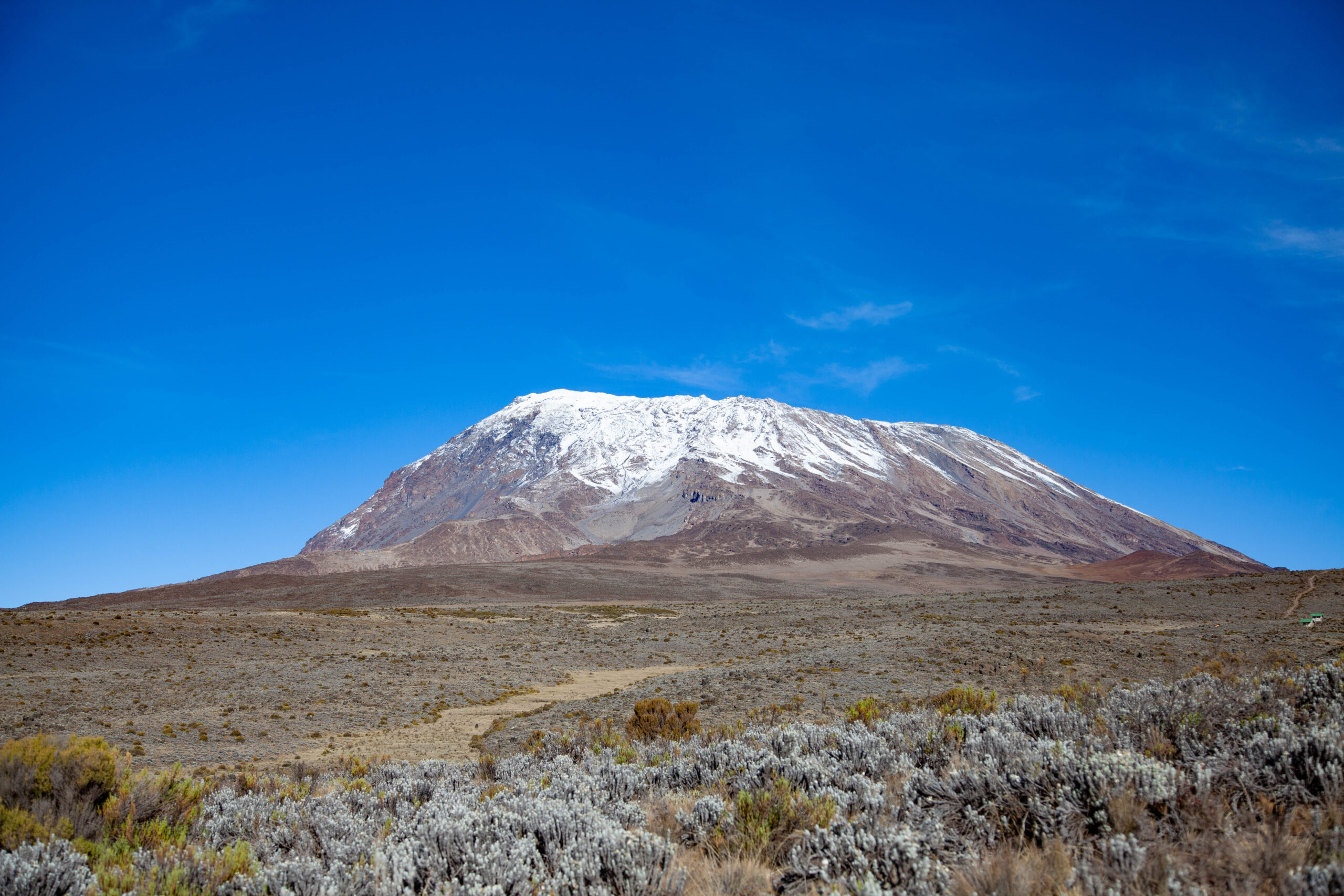
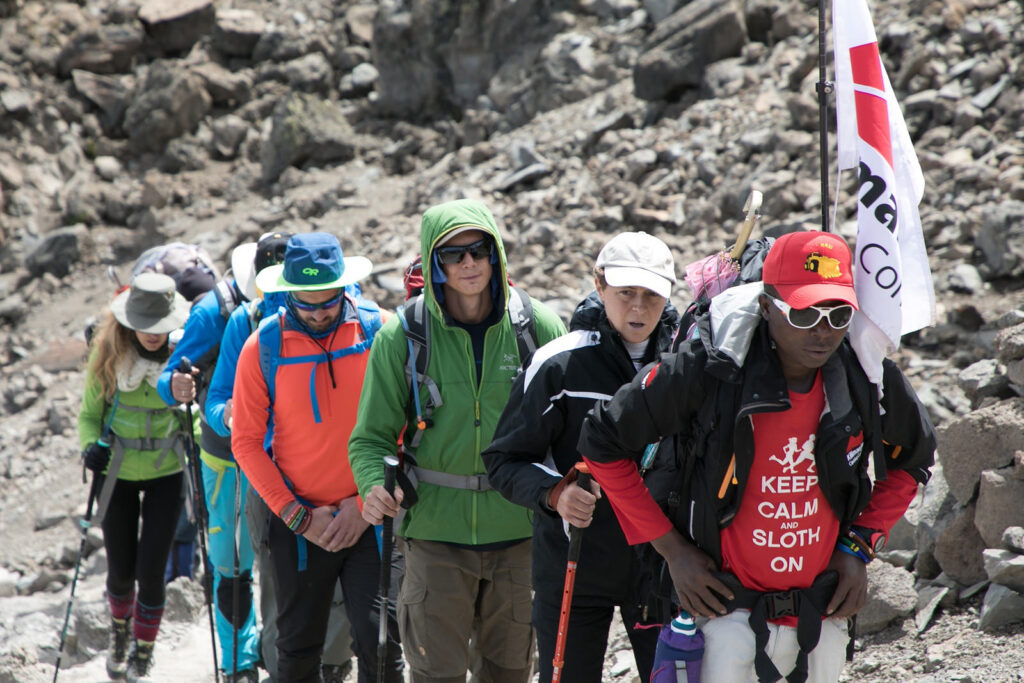
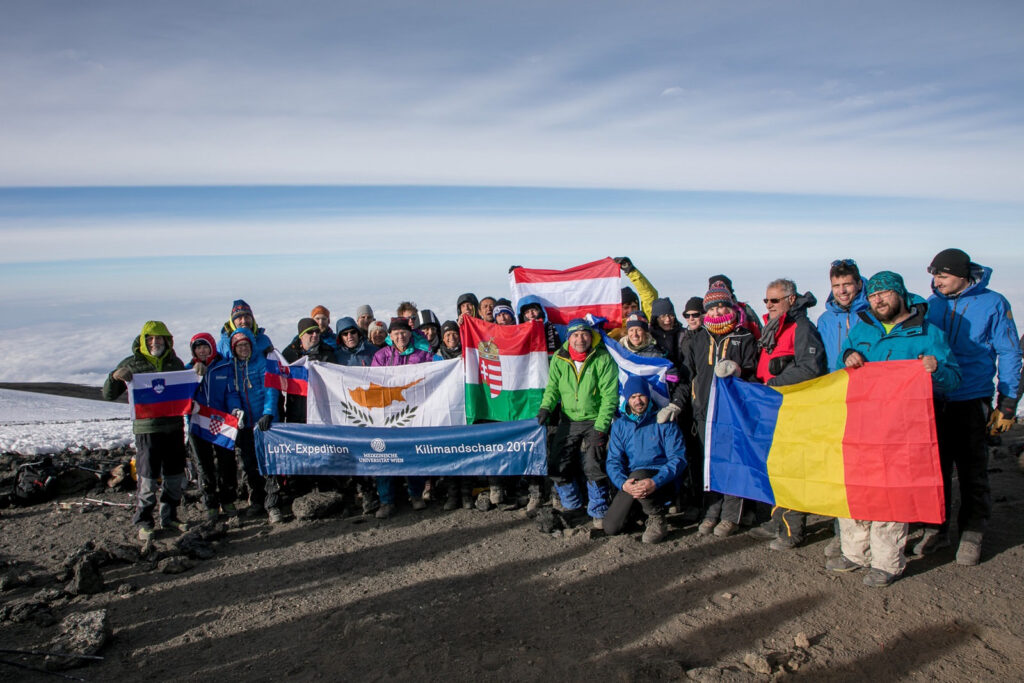
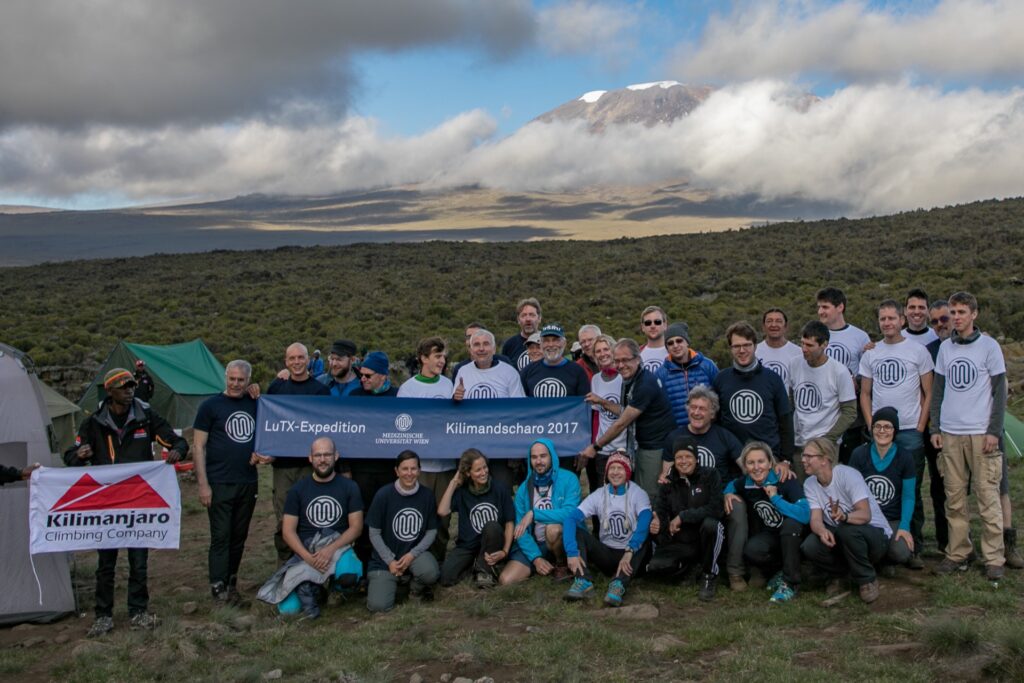
In June 2017, an extraordinary expedition took place: a group of ten to twelve patients who had undergone lung transplants climbed Kilimanjaro in Tanzania together with around 20 to 25 medically experienced companions. The aim was to demonstrate the physical achievements possible after a lung transplant and, at the same time, to gain important scientific insights into high-altitude medicine for solid organ transplant (SOT) recipients. The entire expedition was documented by a television crew.
Medical background
Thanks to modern transplant medicine, more and more people are able to actively participate in life again after a serious underlying disease. Adventure trips to high altitudes (above 2,440 m) offer special opportunities for these patients – but also considerable risks, such as acute mountain sickness (AMS), high altitude cerebral oedema (HACE) or high altitude pulmonary oedema (HAPE).
Before the expedition, there were only a few scientific studies worldwide and hardly any practical experience on how lung transplant patients can be prepared for such exertion and medically supported. By 2015, only two patients had succeeded in reaching the summit of Kilimanjaro after a lung transplant (published in: PLoS One, 2015).
Preparation
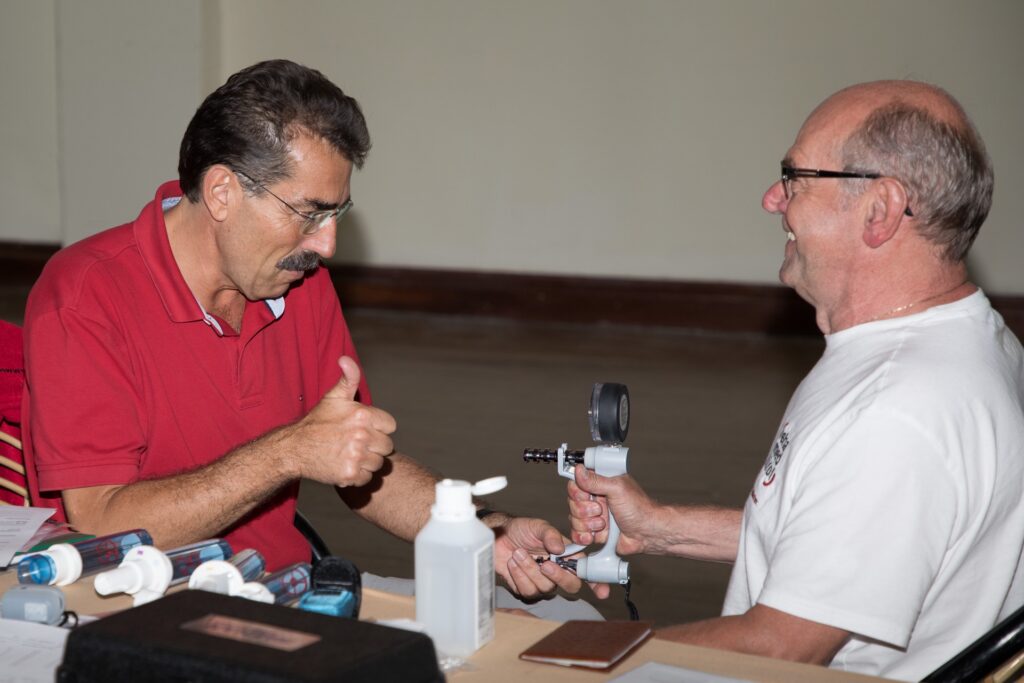
All participants underwent comprehensive sports medical examinations in advance (ergospirometry, strength testing, hypoxic and hypobaric screening). They were then given individual training programmes. In May 2017, they also completed five days of altitude training to improve their physical adaptation.
Scientific accompanying studies
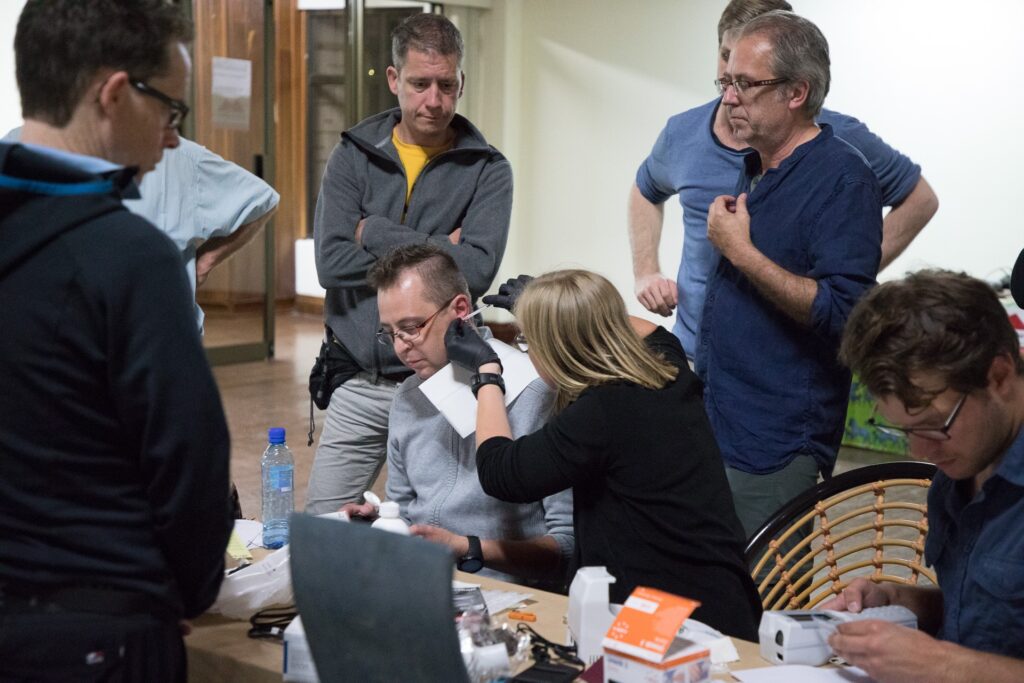
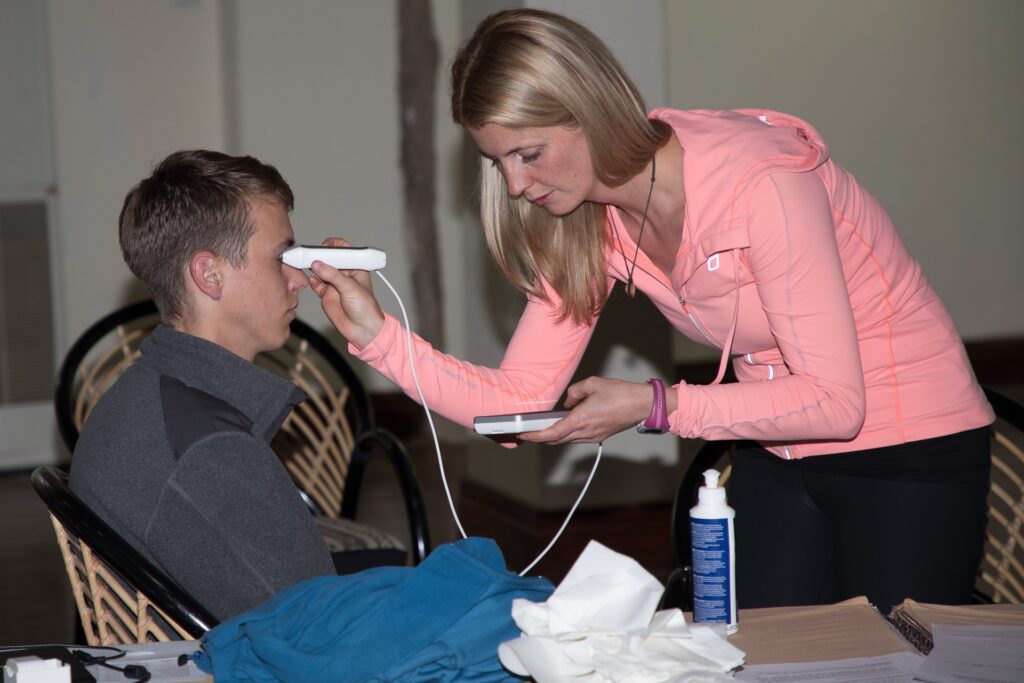
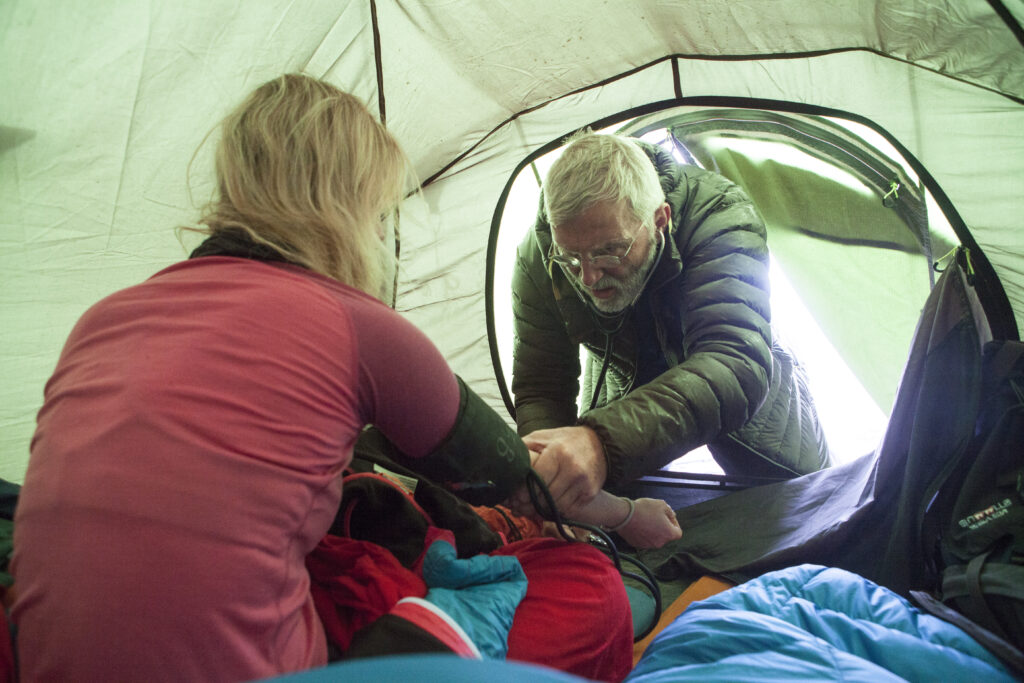
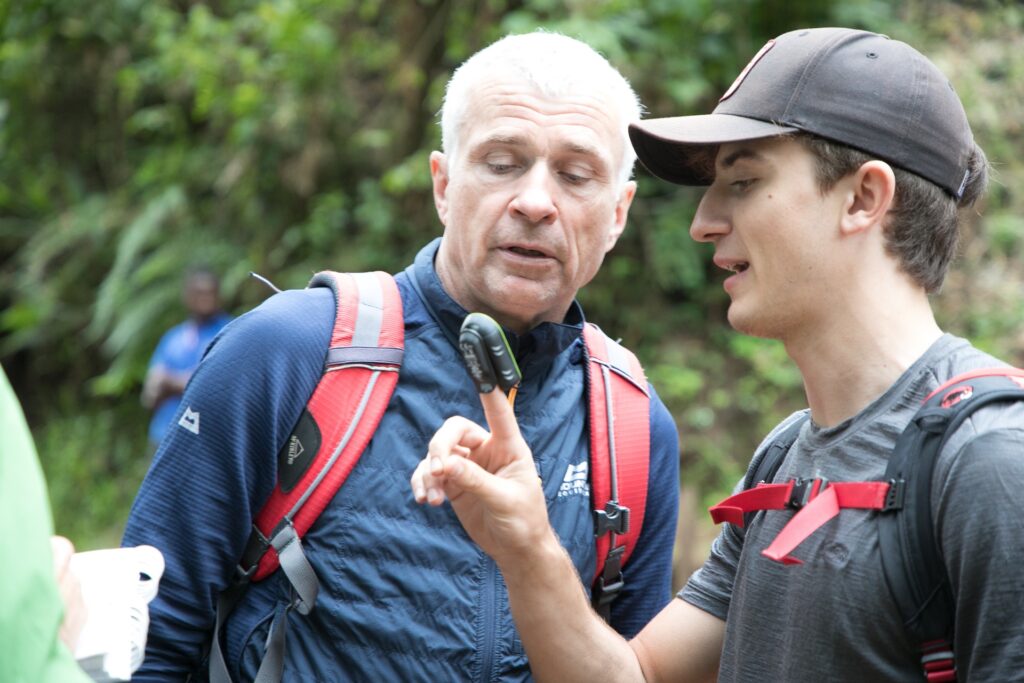
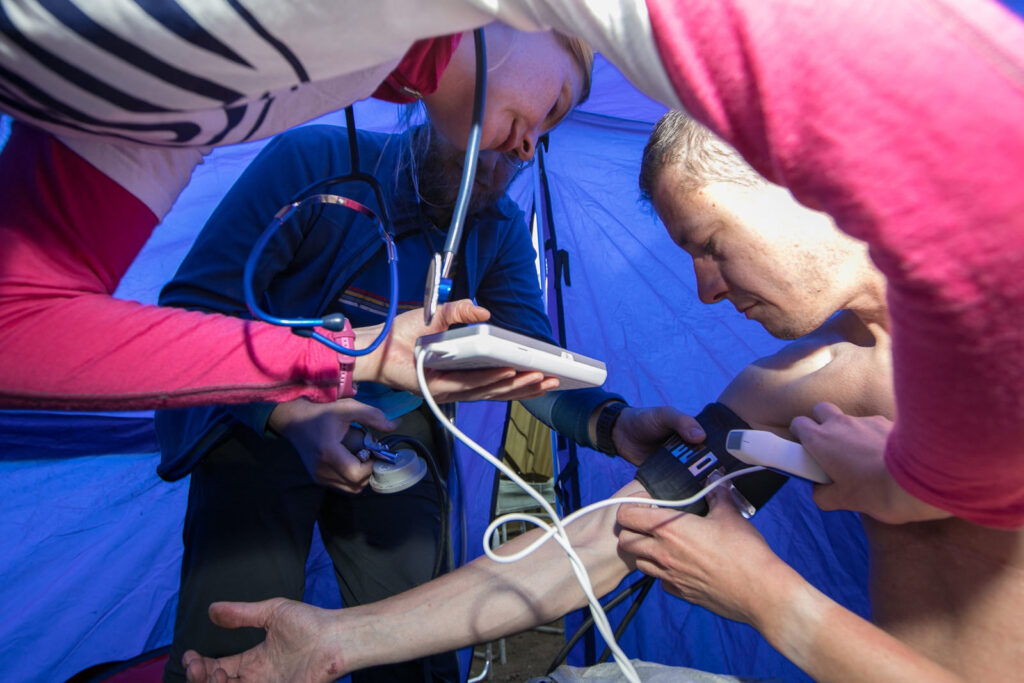
During the Kilimanjaro climb, numerous medical parameters were recorded, including:
- Oxygen saturation, blood pressure, heart rate and lung function at various altitudes
- Blood gas analyses
- Measurements of the active ingredient concentrations of tacrolimus, cyclosporine and everolimus to investigate pharmacokinetic changes at altitude
- Sleep screenings to analyse altitude-dependent respiratory changes
- Measurement of heart rate variability to assess the autonomic nervous system
Continuous monitoring enabled detailed scientific evaluation and provided valuable data for transplant and high-altitude medicine.
Expedition itinerary
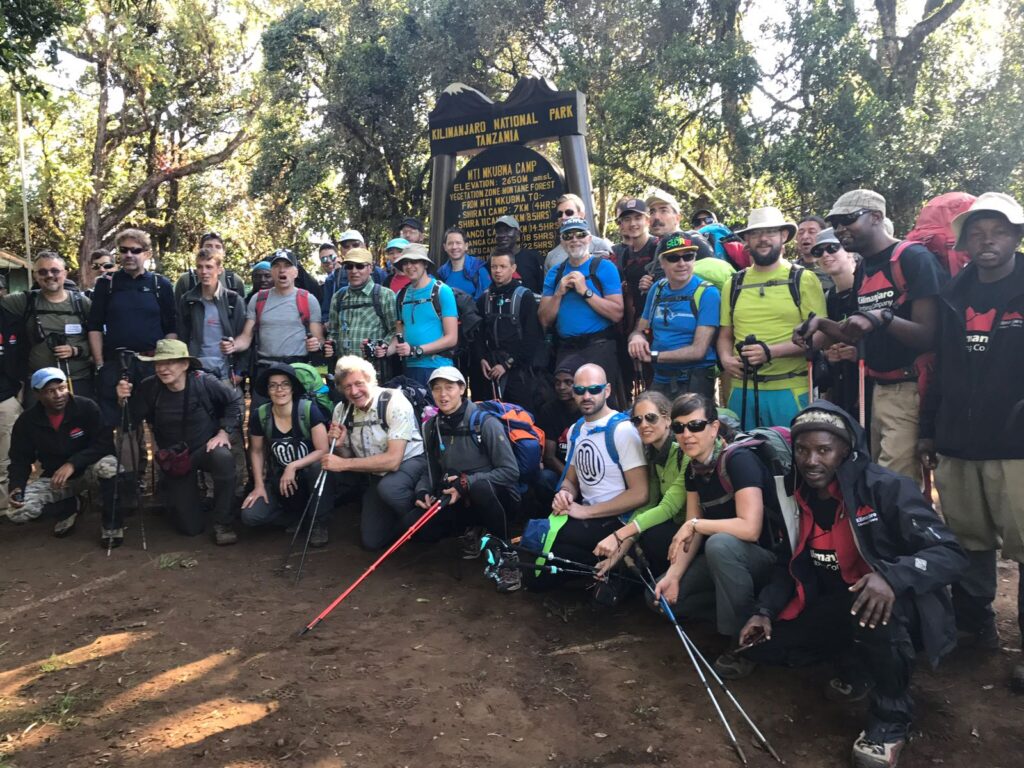
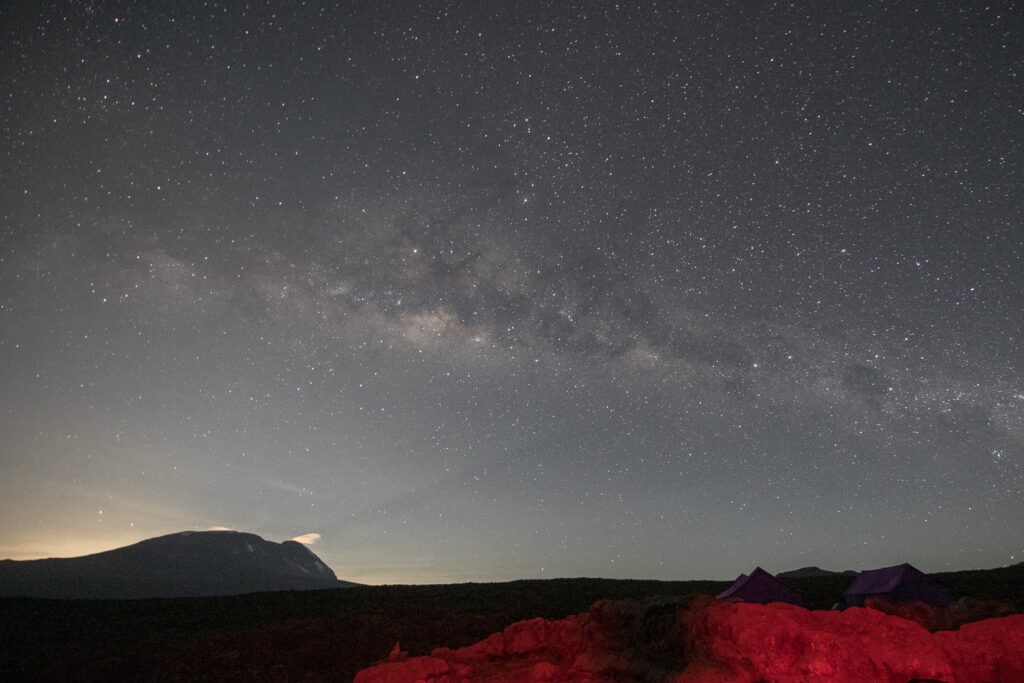
Day 1 – Londrossi Gate to Mti Mkubwa Camp (2,650 m)
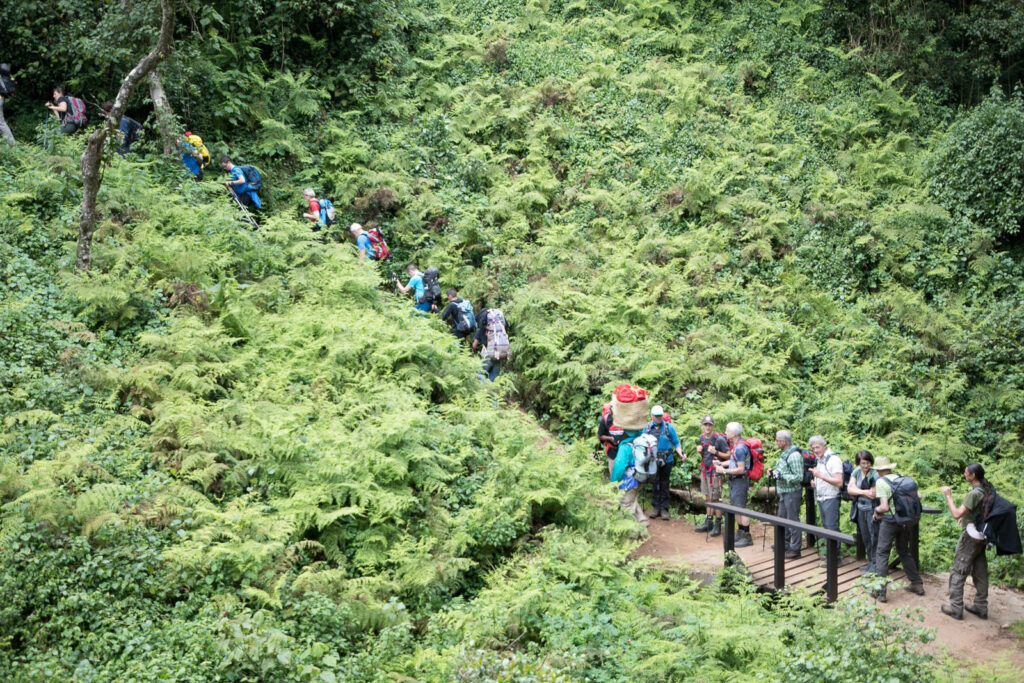
The expedition began with a 3–4-hour hike through the rainforest to Mti Mkubwa Camp.
Day 2 – Mti Mkubwa Camp to Shira Camp (3,550 m)
After about 6–7 hours of climbing, the group reached Shira Camp on the high plateau.
Day 3 – Shira Camp to Shira Hut (3,840 m)
The day’s stage took about 3–5 hours. For the first time, the increasing altitude became noticeable.
Day 4 – Shira Hut to Barranco Valley (3,900 m)
After a 5–7 hour hike, the group reached the spectacular Barranco Valley with its striking rock faces.
Day 5 – Barranco Camp to Karanga Camp (4,000 m)
The shorter stage (4–5 hours) served as acclimatisation and preparation for the summit days.
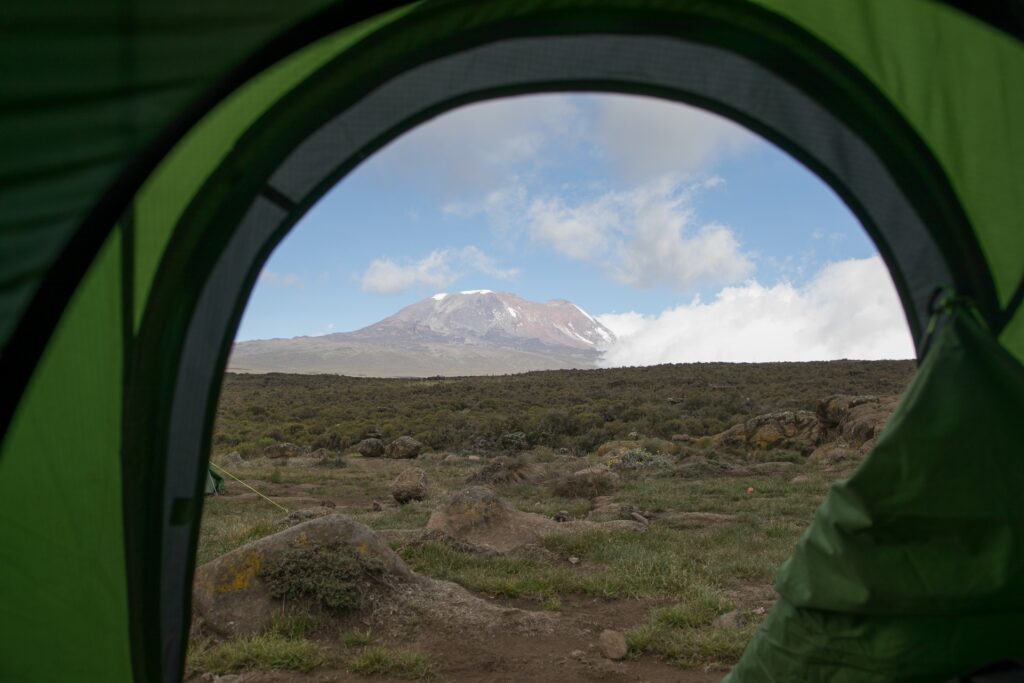
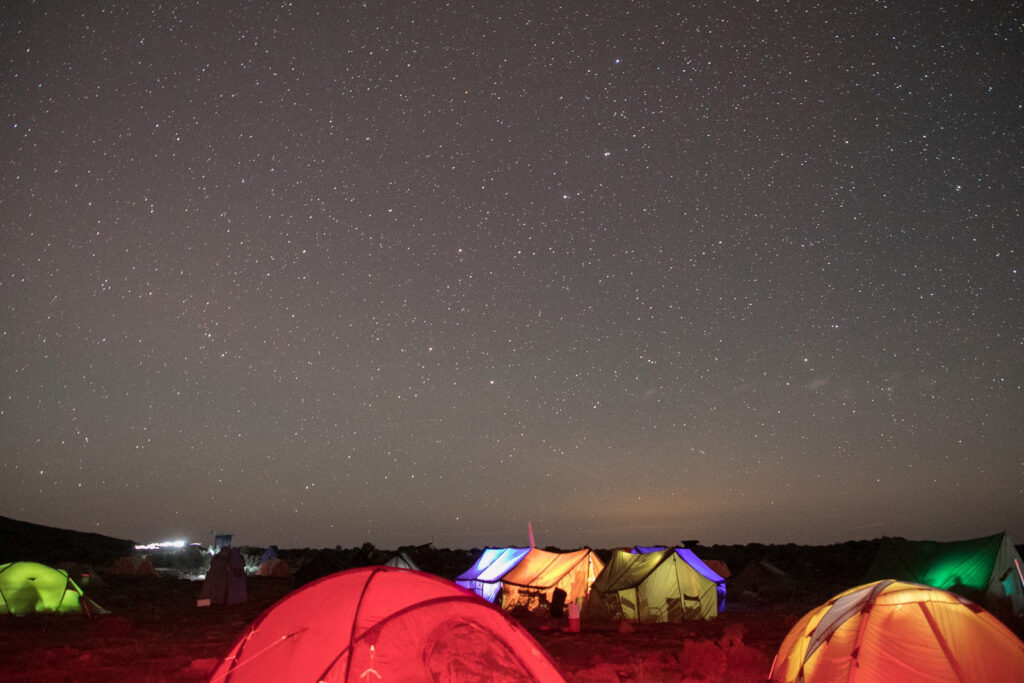
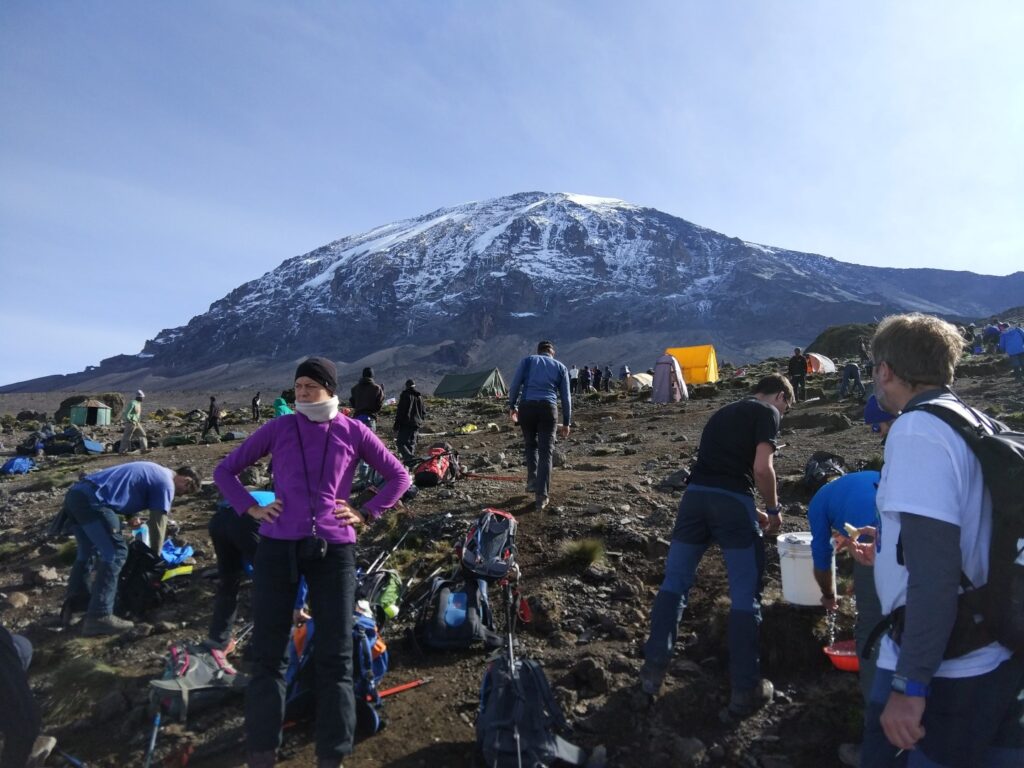
Day 6 – Karanga Camp to Barafu Camp (4,600 m)
After 3–4 hours, the participants reached Barafu Camp – the high camp before the summit.
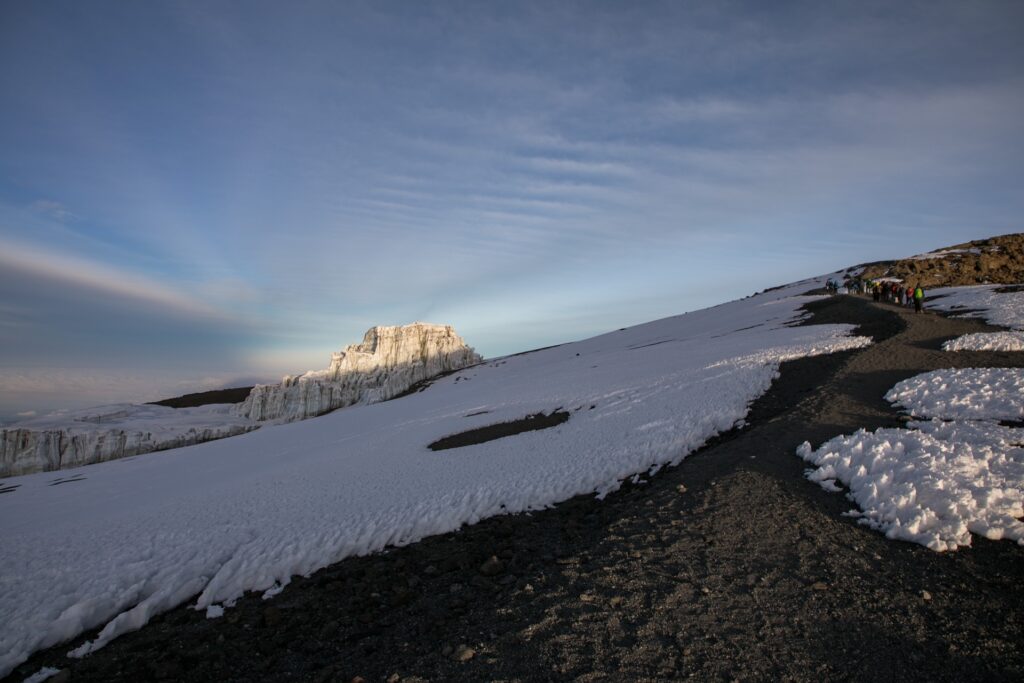
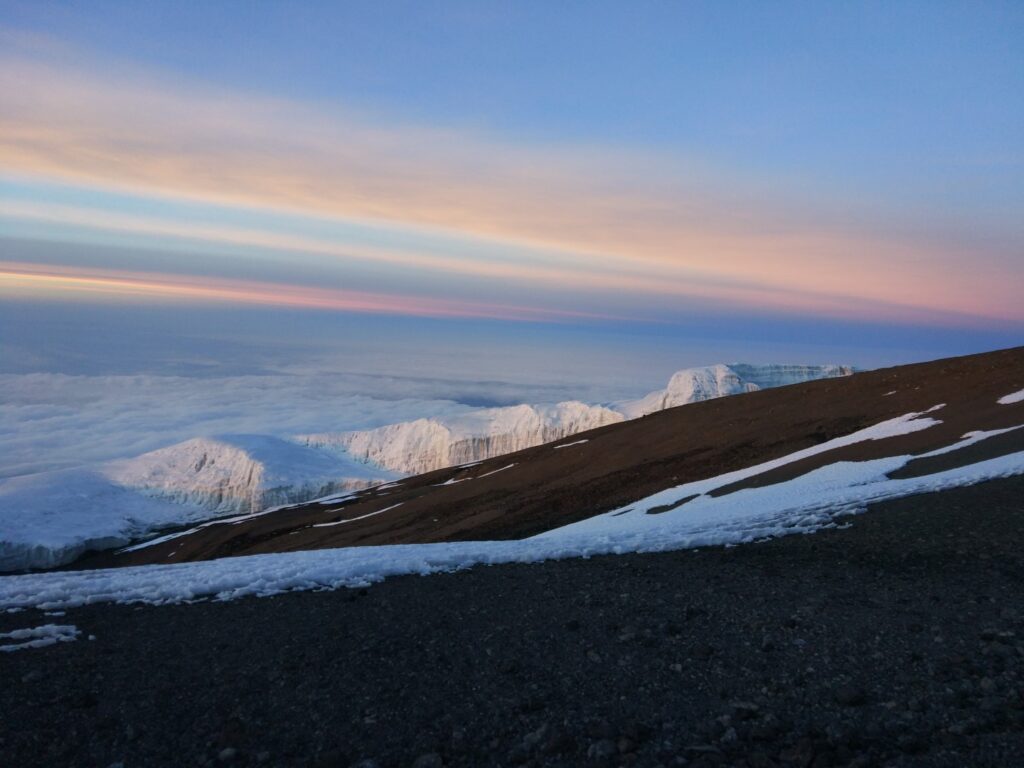
Day 7 – Summit ascent (5,895 m) and descent to Mweka Camp (3,100 m)
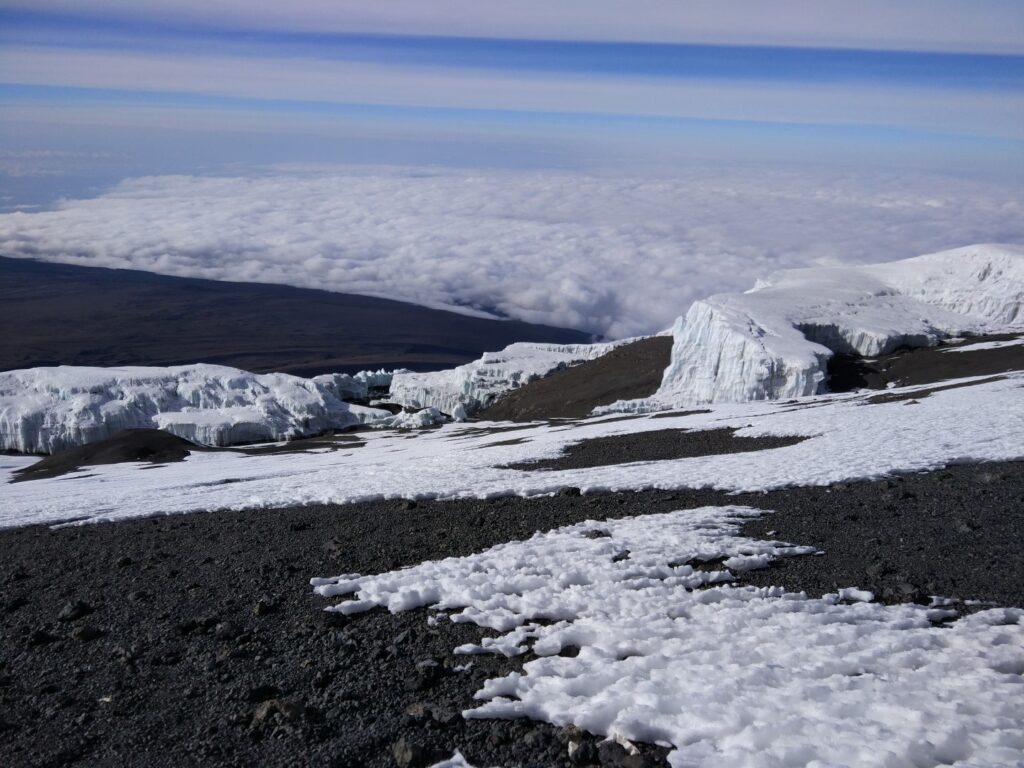
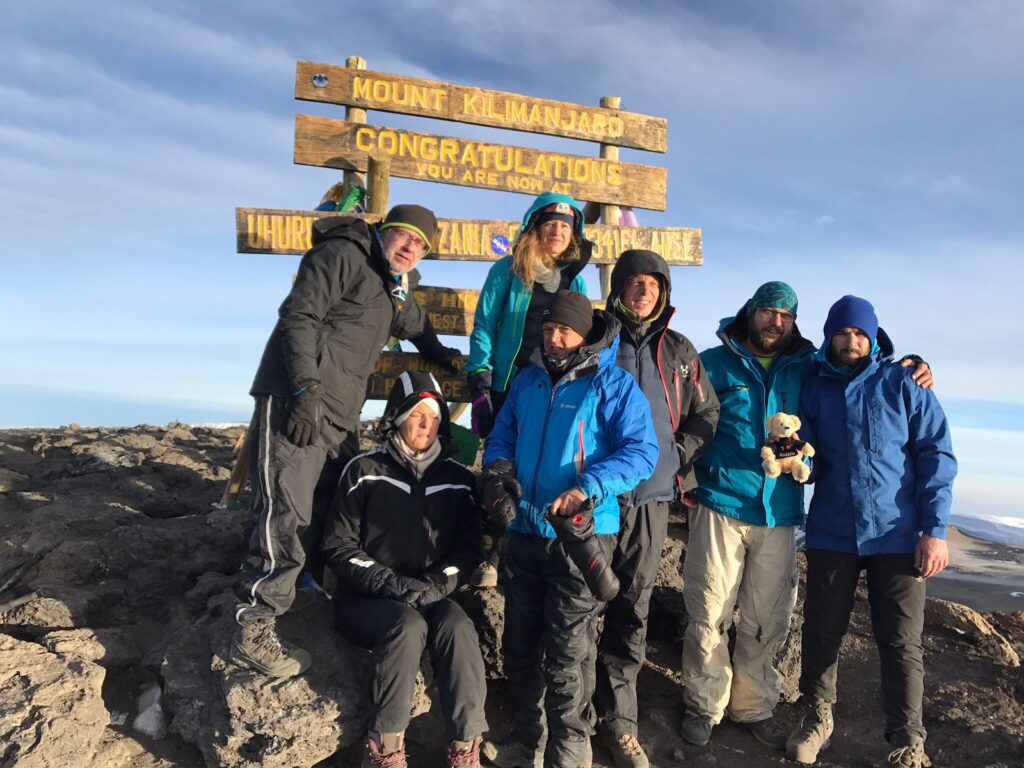
The summit ascent began during the night. After 7–8 hours, the group reached Uhuru Peak, the highest point in Africa. The descent then led to Mweka Camp in one long stage (a total of 13–15 hours of walking time).
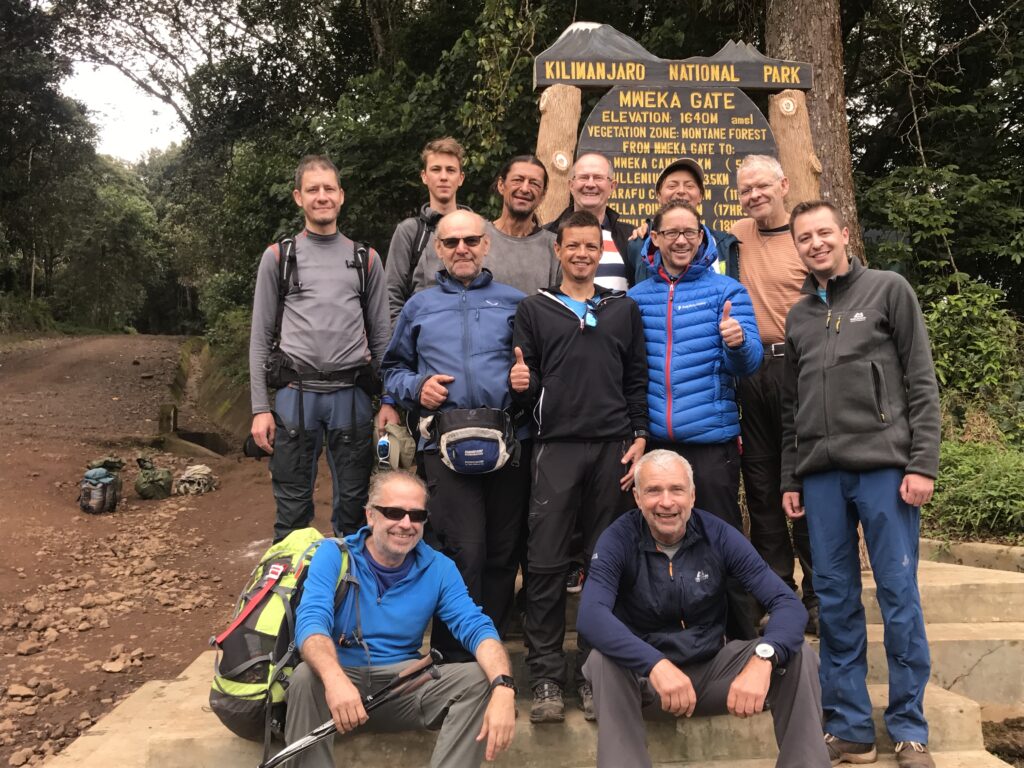
Day 8 – Mweka Camp to Mweka Gate, return to Arusha
On the last day, the group hiked to Mweka Gate in 3–5 hours and then returned to Arusha.
Conclusion
The 2017 Kilimanjaro expedition represented a significant medical and scientific milestone. It impressively demonstrated that, with appropriate preparation, support and medical supervision, people who have undergone a lung transplant can also overcome extreme physical challenges such as climbing the highest mountain in Africa.

 Deutsch